
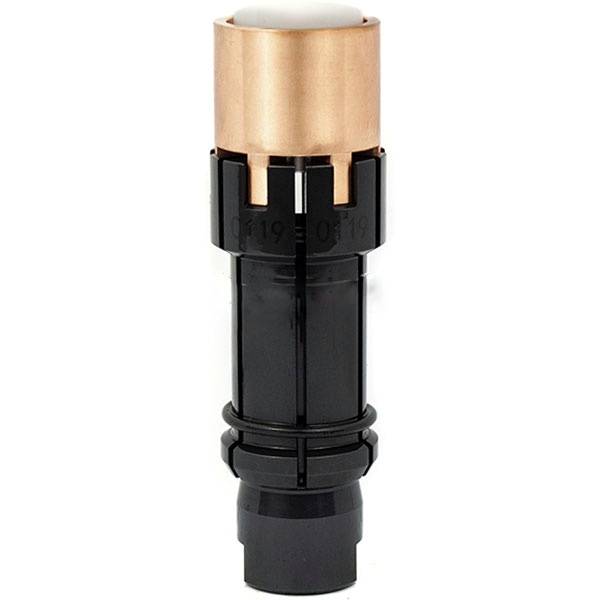
In the world of high-speed CNC machining, the difference between a perfect finish and a scrapped part often comes down to microns. While much of the credit goes to the cutting tool, the unsung hero of stability is the Drawbar Gripper, located deep within the machine spindle.
What are Drawbar Grippers and Fingers?
A drawbar gripper is a specialized clamping mechanism designed to pull and hold a toolholder into the spindle socket, interfacing directly with the retention knob (pull stud) of the toolholder. High-strength steel fingers expand to release the tool or contract to lock it in place with massive force, often several tons of pressure.
How They Work: The Clamping Cycle
Unclamping: the hydraulic or pneumatic cylinder pushes the drawbar forward, allowing the gripper fingers to open and release the pull stud for tool change. Clamping: once the new tool is in position, the drawbar retracts and the fingers bite onto the retention knob via a tapered sleeve. Locking: the drawbar continues to pull, seating the toolholder into the spindle taper with high clamping force.
Why Quality Matters
Fingers must be made of high-grade alloy steel such as SCM440 to prevent deformation under pressure. Specialized coatings like chrome or diamond-like carbon reduce friction and prevent galling. High-speed spindles require perfectly balanced grippers to prevent vibration.
Best Practices for Maintenance
Proper lubrication with high-pressure molybdenum grease prevents wear. Use a drawbar force gauge periodically to check clamping tonnage. Inspect finger tips for flattening or chipping. Clean the spindle regularly to prevent dust and coolant residue buildup.
Conclusion
Drawbar grippers and fingers are the critical link between the machine’s power and the tool’s precision. Proactive maintenance significantly reduces downtime and extends spindle life.